When storms hit Northeast Texas and Southern Oklahoma, utility companies and businesses need heavy equipment operators who can respond quickly and work safely in challenging conditions. Foster Land Modifications provides emergency response services during ice storms, tornadoes, and other weather events, staging equipment on standby and deploying dozers and track hoes for access restoration and storm cleanup. We serve Arthur City and the surrounding region, partnering with utility providers and commercial clients to provide critical response when communities need it most.
With over 35 years of heavy equipment experience and a fleet that includes multiple dozers and track hoes, we’re equipped to handle emergency situations that require immediate response and the capability to work in difficult conditions.
Types of Emergency Response Work
We provide several types of emergency services during and after major weather events. Utility access restoration clears roads and access points so power crews can reach damaged infrastructure and restore service. We move downed trees, clear ice-covered routes, and create access where normal roads are impassable. Downed tree and debris removal clears roads, driveways, and properties after tornadoes or severe wind events. Storm staging involves positioning equipment and operators at strategic locations ahead of predicted storms, allowing rapid response when emergency calls come in.
We work during the storm event itself when needed, clearing access in real-time as damage occurs, and we continue cleanup work in the days and weeks following major weather events as communities recover.
Ice Storm Response
Ice storms create unique challenges in Northeast Texas. When ice builds up several inches thick on roads, businesses and residents can’t access their properties. Utility crews can’t reach damaged lines. Emergency vehicles struggle to respond to calls. We deploy skid steers with ice-scraping attachments to clear parking lots, business entrances, and priority access routes.
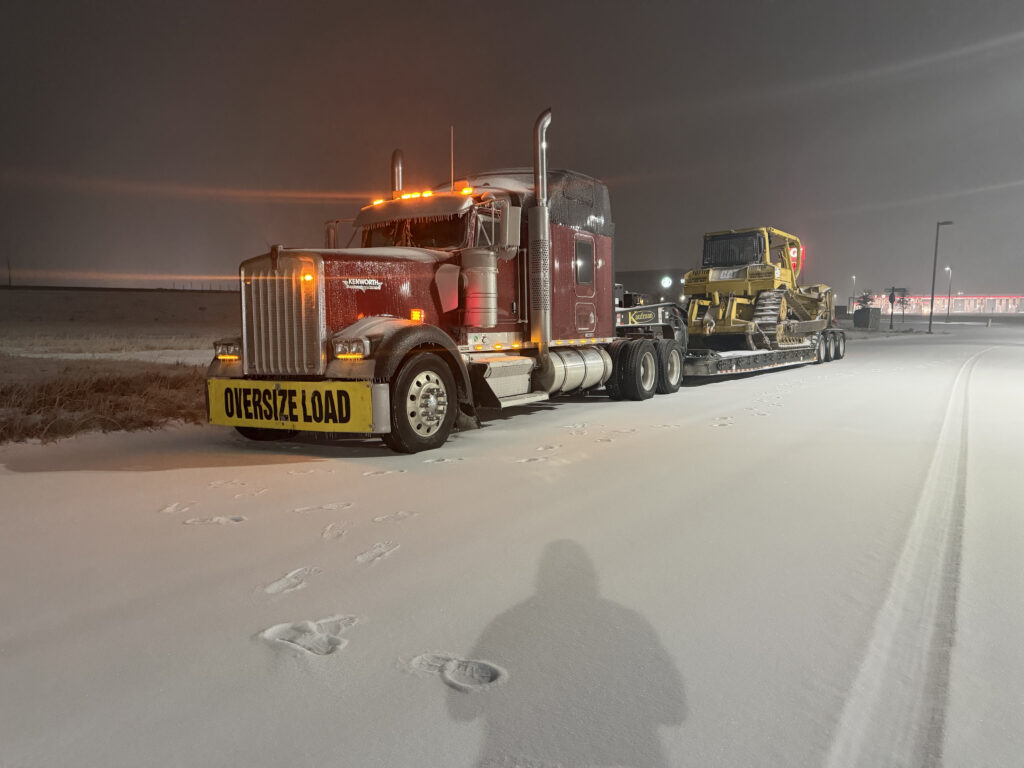
During the major ice storm in January 2026, we had equipment staged in Sherman, Sulphur Springs, and Paris, operating around the clock to maintain access for utility crews and clear business entrances. The ice was thick enough that we had to replace scraper blades multiple times as the work dulled them. But we kept routes clear and helped businesses reopen as quickly as possible under the circumstances.
Tornado and Wind Event Response
Tornadoes and severe straight-line winds put trees and debris across roads, block access to homes and businesses, and create hazards that need immediate clearing. After these events, we deploy track hoes and dozers to remove downed trees, clear blocked roads, and pile debris for later removal. The immediate goal is restoring access so residents can return to properties and utility crews can begin repair work.
Some of this work happens in neighborhoods and areas where working around buildings and utilities requires careful attention. Our experience operating equipment in tight quarters and around infrastructure helps us work safely even in cluttered post-storm environments.
Utility Company Partnerships
We maintain working relationships with utility providers throughout the region, providing equipment and operators during emergency responses. These companies need contractors who can respond quickly, work safely around electrical infrastructure, and operate reliably during extended emergency periods. Oncor is among the utility companies we’ve worked with for emergency response services.
When major storms are predicted, utility providers often request equipment be staged at strategic locations throughout the service area. We position dozers, track hoes, and haul trucks where they can respond quickly to wherever damage occurs. Operators stay with the equipment on standby, ready to deploy as soon as calls come in.
Equipment Staging and Standby Services
Storm staging means positioning equipment and operators ahead of predicted severe weather. Companies pay for equipment and operator time while on standby, ensuring resources are available the moment they’re needed. When a storm hits, response time is measured in minutes rather than hours because equipment is already positioned locally.
We regularly stage equipment in Sherman, Sulphur Springs, and Paris during ice storm and tornado events. The typical staging period runs from when severe weather is predicted through the initial cleanup period after the storm passes. This might mean 24 to 48 hours of standby time plus active work hours during and after the event.
Scaling Response to Match Need
During major weather events, the amount of damage can quickly exceed what any single contractor can handle. We maintain relationships with other equipment operators and can scale up response by bringing in additional dozers and crews when needed. We’ve coordinated responses involving a dozen or more dozers working simultaneously across an affected region.
This capability to scale matters to utility companies and other large organizations responding to major events. They need contractors who can provide not just a single piece of equipment but comprehensive response capacity.
Safety in Emergency Conditions
Emergency response work happens in dangerous conditions. Downed power lines, unstable trees, ice-covered surfaces, and debris create hazards. Our operators have decades of experience and understand how to assess risks and work safely even when conditions are difficult.
We coordinate closely with utility companies and emergency management to understand where active hazards exist and follow their protocols for working around damaged electrical infrastructure. Safety takes priority over speed, even during emergencies.
Service Area
We provide emergency response services throughout Arthur City, Paris, Sherman, Sulphur Springs, Gainesville, and the broader Northeast Texas region, extending into Southern Oklahoma communities including Broken Bow and surrounding areas. When major weather events affect the region, we position equipment where it’s most needed.
Why Companies Choose Us
Utility providers and commercial clients choose contractors based on reliability, safety record, equipment availability, and proven performance during past emergencies. We’ve demonstrated all of these through years of emergency response work. When we commit to staging equipment or responding to an emergency call, we follow through. Our safety record is clean. Our equipment is maintained and ready to work. And we’ve successfully handled major emergency responses in the past.
Casey Foster’s 35 years of heavy equipment experience includes numerous emergency situations. That experience means staying calm under pressure, making sound decisions in challenging circumstances, and delivering results when communities are counting on it.
Emergency Response Services FAQs
How quickly can you respond during an emergency? Response time depends on whether we have equipment already staged in the area. When equipment is positioned ahead of a storm, we can typically respond within 30 minutes to an hour of getting a call. If equipment needs to be transported from our home location, response takes several hours but we mobilize as quickly as conditions allow. For predicted major weather events, we strongly recommend staging equipment in advance to enable immediate response.
What areas do you cover for emergency response? We provide emergency response throughout Northeast Texas and parts of Southern Oklahoma. During major regional weather events, we position equipment strategically across the affected area. We’ve staged equipment in Sherman, Paris, Sulphur Springs, and other communities depending on where storms are predicted to hit. For organizations with operations spanning multiple locations, we can coordinate equipment placement to provide coverage across your service area.
Do you work with homeowners during emergencies or only commercial clients? During active emergency response periods when we’re under contract with utility companies or other organizations, our equipment and crews are typically committed to that work. Once the immediate emergency period passes and we’ve completed contracted obligations, we can take on individual homeowner projects for storm cleanup and debris removal. If you need immediate assistance during an emergency, we recommend contacting your local emergency management or utility provider who may have contractors staged specifically for residential assistance.
What kind of emergency situations do you handle? We primarily respond to weather-related emergencies including ice storms, tornadoes, severe wind events, and flooding situations where heavy equipment is needed to restore access or clear debris. Our services include clearing ice-covered roads and parking lots, removing downed trees and storm debris, creating access routes for utility and emergency crews, and clearing properties after major storm events. We have both the equipment and experience to handle challenging conditions safely.
How does equipment staging work for predicted storms? When severe weather is forecasted, utility companies and other organizations often contract for equipment to be positioned at strategic locations ahead of the storm. We transport dozers, track hoes, or other equipment to designated staging areas and maintain operators on standby. Clients pay for equipment and operator time during the standby period plus active work time during and after the storm. This approach ensures immediate response capability the moment damage occurs rather than waiting hours for equipment to be transported from distant locations.
Can you clear downed trees near power lines? We work around electrical infrastructure regularly during utility company emergency responses, but we follow strict protocols when working near power lines. Active power lines require utility company crews to verify lines are de-energized before we can work directly on trees in contact with them. We can clear trees and debris that are near but not touching active lines, maintaining safe clearances. During coordinated utility emergency responses, we work directly with power crews who manage electrical hazards while we handle the heavy equipment work.
Emergency Contact Information
For emergency response needs or to discuss staging equipment ahead of predicted severe weather, call (903) 754-7601. We maintain communication during weather events and can respond quickly when emergency situations develop.