When you’re ready to build, your property needs proper preparation. A well-built house pad creates a stable, level foundation that prevents settling, drainage issues, and structural problems down the road. At Foster Land Modifications, we prepare building sites of all sizes throughout Arthur City and the surrounding region, bringing over 35 years of heavy equipment experience to every project.
We work on single-family home pads, multi-lot residential developments, and commercial building sites. Whether you’re clearing a wooded lot or preparing an open pasture for construction, we handle the entire site preparation process from initial clearing through final grading—including the critical excavation and soil stabilization work that many properties in Northeast Texas require.
What House Pad Construction Involves
Creating a proper house pad requires more than just pushing dirt around. In Northeast Texas, many properties have blackland soil that expands and contracts with moisture changes. Building directly on this unstable soil leads to pad movement and foundation problems. That’s why proper house pad construction often starts below ground level, not above it.
The process involves clearing the site of vegetation and debris, excavating unstable soil to appropriate depths, replacing it with proper select fill, compacting that fill in controlled lifts, and creating final grades that direct water away from the building. This approach to soil stabilization ensures your pad remains stable regardless of weather changes.
Understanding Blackland Soil and Excavation Requirements
Blackland soil is common throughout Northeast Texas and presents specific challenges for construction. This clay-heavy soil expands when wet and contracts when dry. These moisture-driven volume changes cause shifting that can crack foundations, damage structures, and create ongoing problems.
The solution is excavation before building up. We dig out the unstable native soil to the depth required for your specific site and structure. That excavated material is removed and replaced with select fill—engineered soil that doesn’t expand and contract like blackland clay. This excavation and replacement process creates a stable base that won’t shift with weather changes.
Not every site requires the same excavation depth. The amount depends on soil conditions, pad size, and what you’re building. During the estimate process, we assess your property’s soil characteristics and determine appropriate excavation depth for a stable pad.
Site Clearing and Preparation
Most building sites in Northeast Texas require some level of clearing before excavation and pad work can begin. Wooded lots need trees removed and stumps cleared. Even seemingly clear pasture land often has surface vegetation, rocks, or old fence lines that need to be addressed.
We handle all of this using our track hoes and dozers. The clearing process removes obstacles, creates space for proper drainage, and establishes the working area we’ll need for excavation and grading equipment. We pile cleared material for burn clearing or haul it away, depending on your preference and local regulations.
Excavation and Soil Removal
Once the site is cleared, we begin excavation work on properties where soil conditions require it. Using our track hoes and dozers, we dig out unstable soil to the proper depth across the entire pad area. This isn’t just scraping the surface—we’re removing the soil that would cause problems if left in place.
The excavated material is hauled away or relocated to areas where it won’t affect the building pad. We don’t just push unstable soil to the edges and build on top of it. Proper excavation means complete removal of problem soil from the pad footprint.
The depth of excavation varies by site. Some pads require removing 12 to 18 inches of native soil. Others need deeper excavation depending on soil conditions and engineering requirements. We’ve been building pads in this region for over 35 years and understand what different properties require based on soil type and site conditions.
Select Fill and Proper Compaction
After excavation, we bring in select fill to replace the removed soil. Select fill is engineered material that provides stable support without the expansion and contraction problems of blackland soil. This is not the same as topsoil or random fill dirt—it’s specifically chosen for structural stability.
We place select fill in controlled lifts, typically 6 to 8 inches at a time. Each lift is spread evenly across the pad area and thoroughly compacted before adding the next layer. This methodical approach ensures uniform compaction throughout the entire depth of the pad, not just at the surface.
Proper compaction is critical. Insufficiently compacted fill will settle over time, creating the same foundation problems we’re trying to prevent. We compact each lift to appropriate density using our equipment, building the pad up layer by layer until we reach the planned elevation. This process takes more time than just piling dirt and grading the top, but it creates pads that remain stable for decades.
Fill Dirt for Elevation and Grading
Beyond the select fill used for soil stabilization, many sites require additional fill dirt to reach the proper elevation or create a pad of adequate size. This finish fill builds the pad up to final grade after the stabilized base is established.
The amount of fill needed varies by property. Some sites need minimal additional fill beyond the select fill base. Others require substantial amounts to build up the pad elevation, particularly on properties with significant slope or when the building needs to sit well above surrounding grade for drainage purposes.
We source quality fill dirt and continue the same layered compaction approach used with select fill. During the estimate process, we assess your property and provide clear information about excavation depth, select fill requirements, and any additional fill needed to reach final elevation.
Grading and Drainage
Proper grading serves two purposes. First, it creates the level pad where your house or building will sit. Second, it establishes drainage patterns that move water away from the structure. We slope the surrounding area so rain flows away from the pad, preventing water from pooling near your foundation or running toward the building.
In areas where natural drainage isn’t sufficient, we create swales or install other drainage features as part of the grading work. The goal is a building site that sheds water effectively in any weather, protecting your investment from day one. Proper drainage is especially important when you’ve invested in excavation and proper fill work—you want to keep that stable pad dry.
Multi-Lot Developments
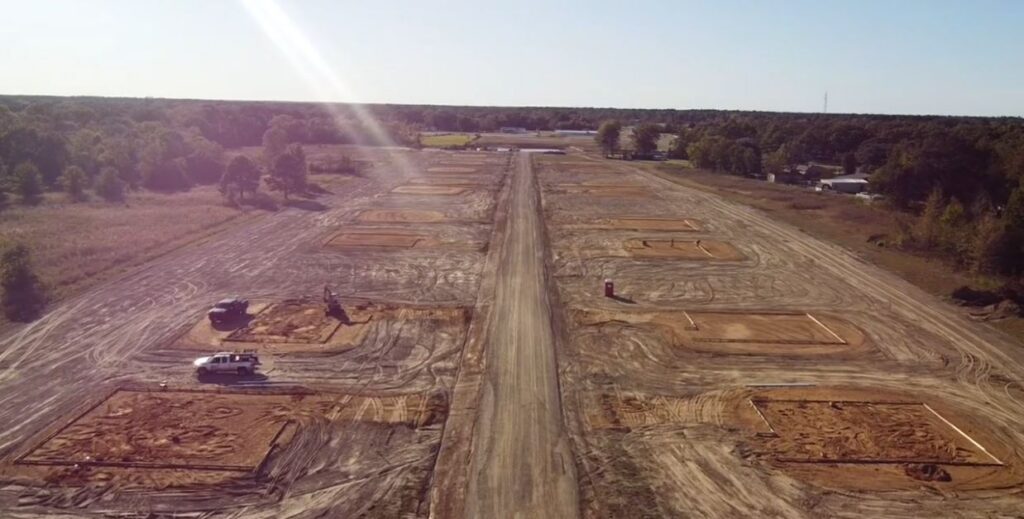
We also work on larger projects where multiple house pads are needed. These developments require careful planning to establish road access, individual lot elevations, and overall drainage for the entire project. Each pad receives the same attention to excavation and soil stabilization as single home sites.
We’ve completed developments with 18 house pads plus internal roads, handling all the site work from start to finish. Multi-lot projects take longer than single pads, but we have the equipment and experience to move efficiently through the work. We can stage the project in phases if that works better for your construction timeline.
Service Area
We provide house pad and site preparation services throughout Arthur City, Paris, Sulphur Springs, Sherman, Gainesville, Emory, and the surrounding Northeast Texas region, as well as parts of Southern Oklahoma. For larger multi-lot developments, we’re willing to travel further. Contact us to discuss your project location.
Why Experience Matters
After 35 years of running heavy equipment and preparing building sites, Casey Foster has seen just about every site challenge Texas can present. Clay soils that turn to mud in the rain. Blackland soil that expands and contracts with moisture. Rocky ground that requires extra clearing work. Properties with significant elevation changes that need careful grading.
That experience means we understand which sites need excavation and how deep to dig. We know when select fill is required and how to compact it properly. We can anticipate problems before they happen and adjust our approach to match site conditions. This knowledge comes from decades of building pads that have supported structures without settling or movement issues.
When you hire Foster Land Modifications for site preparation, you’re working directly with an owner who knows this work inside and out. No sales representatives, no layers of management—just straightforward communication and experienced execution.
House Pads & Site Preparation FAQs
How long does it take to build a house pad? Timeline depends on site size, clearing requirements, excavation depth, and weather conditions. A typical single-family house pad with moderate clearing and standard excavation often takes one to two weeks. Pads requiring extensive excavation and select fill placement take longer because we’re building up the pad in compacted lifts, not just pushing dirt around. Weather can extend timelines, especially during wet periods when working with Texas clay becomes difficult. During your estimate, we’ll provide a realistic timeframe based on your specific property and soil conditions.
Why do you need to dig out soil before building up the pad? Most properties in Northeast Texas have blackland soil that expands when wet and contracts when dry. These volume changes cause shifting that can crack foundations and damage structures. We excavate this unstable soil to appropriate depths and replace it with select fill that doesn’t expand and contract. This creates a stable base that won’t shift with weather changes. Skipping excavation and building directly on blackland soil saves time initially but creates expensive foundation problems later. Proper excavation and soil replacement is the difference between a pad that lasts and one that causes ongoing issues.
What is select fill and why does it cost more than regular dirt? Select fill is engineered material specifically chosen for structural stability. Unlike topsoil or random fill dirt, select fill doesn’t contain organic material, doesn’t expand and contract with moisture, and compacts to create a stable base. It costs more than regular dirt because of these specific properties and because it often needs to be sourced from particular locations. The cost difference is worth it—select fill prevents the settling and movement problems that cause foundation damage. We include all select fill costs in your estimate so you know exactly what to expect.
Do all house pads require excavation and select fill? Not every site requires the same approach. Properties with stable native soil may need minimal or no excavation. Sites with blackland clay or other unstable soils require excavation and select fill replacement. The depth of excavation needed varies based on soil conditions, pad size, and what you’re building. During the site visit, we assess your property’s soil characteristics and recommend appropriate preparation. We’ve been building pads in this region for over 35 years and know which sites need excavation and how much is required for stable results.
Can you prepare sites in wooded areas? Yes, we regularly clear wooded lots for house pads. We use track hoes and dozers to remove trees, grind or remove stumps, and clear the site down to raw dirt before beginning excavation work. We can pile cleared vegetation for burn clearing or arrange hauling, depending on your preference and local regulations. Many of our projects involve clearing wooded properties to create building sites and yard areas. The clearing process happens first, then we assess soil conditions and proceed with any necessary excavation and fill work.
What happens if it rains during site preparation? Texas weather can shut down dirt work for days at a time. When we’re working with clay soils or placing and compacting select fill, heavy rain makes it impossible to achieve proper compaction, and equipment can damage the site rather than improve it. If weather delays the project, we’ll stay in communication and return as soon as conditions allow. This is why our service area is large—when rain stops work in one location, we can often keep other projects moving, then come back when your site is ready. Proper compaction can’t be rushed or done in poor conditions, so we wait for appropriate weather rather than compromise quality.
Get Your Free Estimate
We provide free estimates for all house pad and site preparation projects. Casey will visit your property, assess the site, and provide a clear quote covering all necessary work. Call (903) 754-7601 to schedule your estimate, or use our contact form to provide project details.
We’re available seven days a week and serve Arthur City and the entire Northeast Texas region.